AI · Quickplus
AI Call Analysis Platform
Every call, scored automatically.
Every recorded call is transcribed, split by speaker and scored against company SOPs by an LLM, then shown on dashboards for managers.

Role
Lead developer, backend and dashboard
Period
Nov 2025 – Present
Stack
- Python
- FastAPI
- Gemini
- Groq
- Pinecone
- PostgreSQL
- Firestore
- React
- Vite
- Tailwind CSS
- shadcn/ui
- Node.js
- +8 more
Highlights
What stands out.
Hands-off ingestion
A poller picks up every new recording from the phone system's storage over SFTP and queues it.
LLM scoring with RAG
Category-specific prompts score each call, grounded in the company's own policy documents.
A queue that never drops work
Parallel slots, per-stage timeouts, retries and crash recovery.
Dashboards for managers
Score trends, emotion analysis and agent and team-lead performance.
The problem
Managers could only spot-check a small share of the calls agents made every day. Quality checks were manual, slow and inconsistent. The business needed every call reviewed against the same criteria, with separate rules for call-centre staff (answer and route the call) and sales staff (close the deal), plus trends per agent and per team lead.
What I built
- Hands-off ingestion. A background poller watches the 3CX recording storage over SFTP, parses agent and customer from the file name, looks up the agent through the 3CX management API and queues the call.
- AI pipeline. Transcription, speaker diarization and emotion analysis with Google Gemini 2.5 Flash. Quality scoring with an LLM hosted on Groq, using category-specific prompts (opening, active listening, empathy, solution, closing) and a calibrated leniency.
- RAG knowledge base. Company documents are chunked, embedded and stored in Pinecone. The topic is detected from the transcript, and the matching policy chunks are added to the evaluation prompt, so scores follow real company policy.
- CRM enrichment. Each call is tagged with the lead's tags and service from the group's CRM, so analytics can be filtered by service line.
- Concurrency-safe job queue. Four parallel automatic jobs; manual uploads take over a slot when needed, and jobs are queued, never dropped. Per-stage timeouts, up to 10 retries, a guard against duplicate jobs, a failure log and an emergency stop.
- Startup recovery. Interrupted jobs are detected and reprocessed after a restart.
- Editable evaluation criteria. Admins edit criteria per agent category from the UI, with no redeploy.
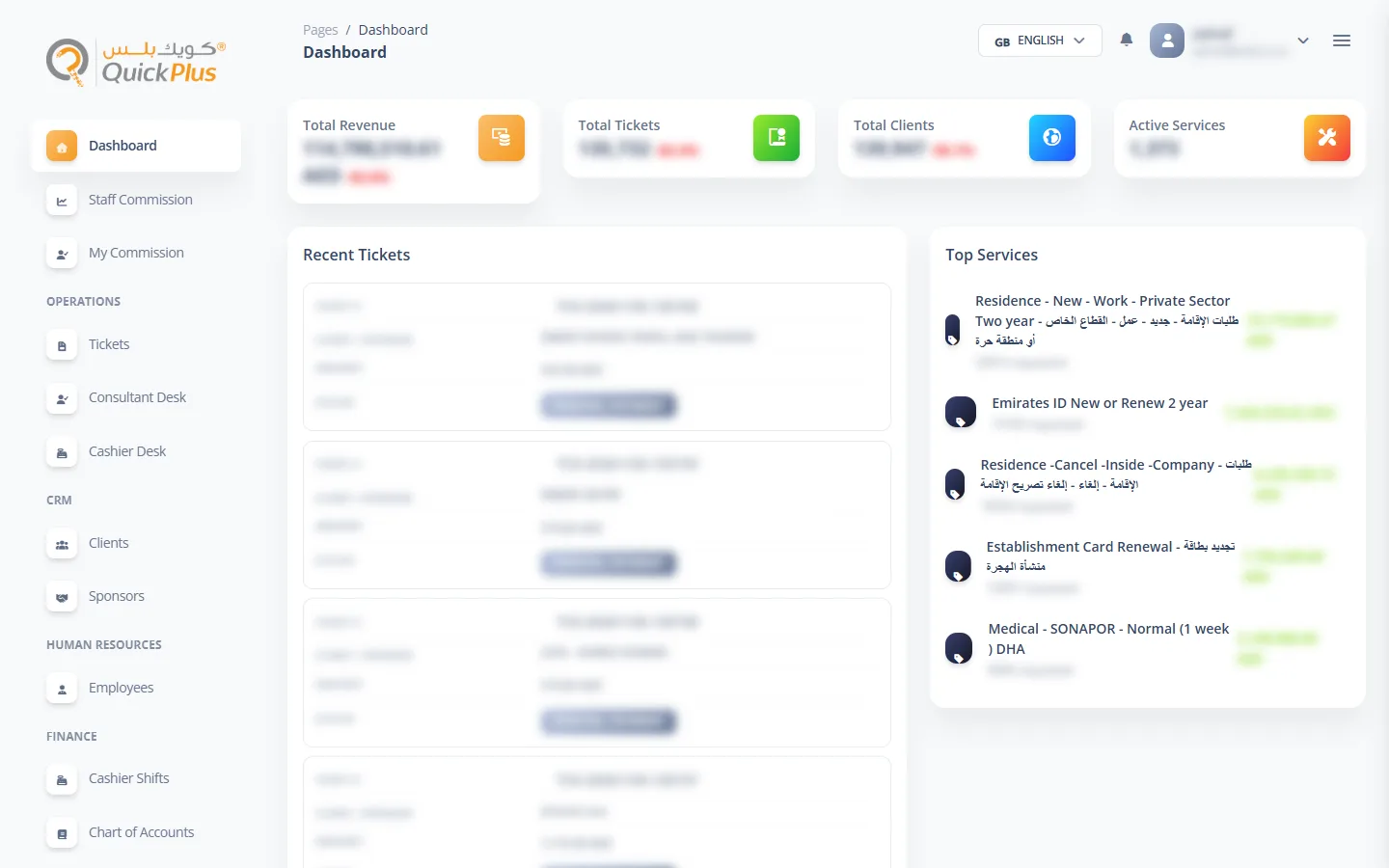
- Analytics dashboard. React dashboard with score trends, emotion distribution, agent and team-lead performance, SOP compliance, chat-style transcripts, audio playback, manual score overrides, CSV export and role-based access.
My role
I was the lead developer on both repositories: the Python API and the React dashboard. I designed the pipeline, the queue and the data model, and I moved the system from self-hosted GPU models to managed AI APIs.
Engineering highlights
- Data migration. Wrote the migration from Firestore to PostgreSQL with an Alembic schema history, keeping Firestore only for live progress.
- Fixing production failures. Dropped storage connections caused hung jobs that held queue slots forever. Per-stage time limits, SFTP read timeouts and a guaranteed slot release fixed it.
- Prompt engineering. Category-aware prompts, leniency calibration and verdict logic, all stored in the database and editable at runtime.
- Security. Database certificates moved out of the repo and mounted read-only into containers; API-key auth on every endpoint.
How it fits together
The architecture.
The phone system's recordings flow through a scheduled poller into a slot-based queue. Each job calls Gemini for the transcript and Groq for the evaluation, with policy context from the RAG index. Results land in PostgreSQL; live job progress goes to Firestore for the dashboard.
Results
By the numbers.
Tech specs
What it’s built with.
- API
- Python 3.11, FastAPI, Pydantic, Uvicorn
- AI
- Gemini 2.5 Flash, Groq, sentence-transformers, Pinecone
- Earlier stack
- Faster-Whisper, pyannote, Ollama / Llama 3 on a GPU host
- Data
- PostgreSQL (Cloud SQL), SQLAlchemy + Alembic, Firestore
- Dashboard
- React 19, Vite, Tailwind CSS, shadcn/ui, Recharts; Node.js + Express API
- Ops
- Docker Compose with health checks, systemd, nginx, Google Cloud